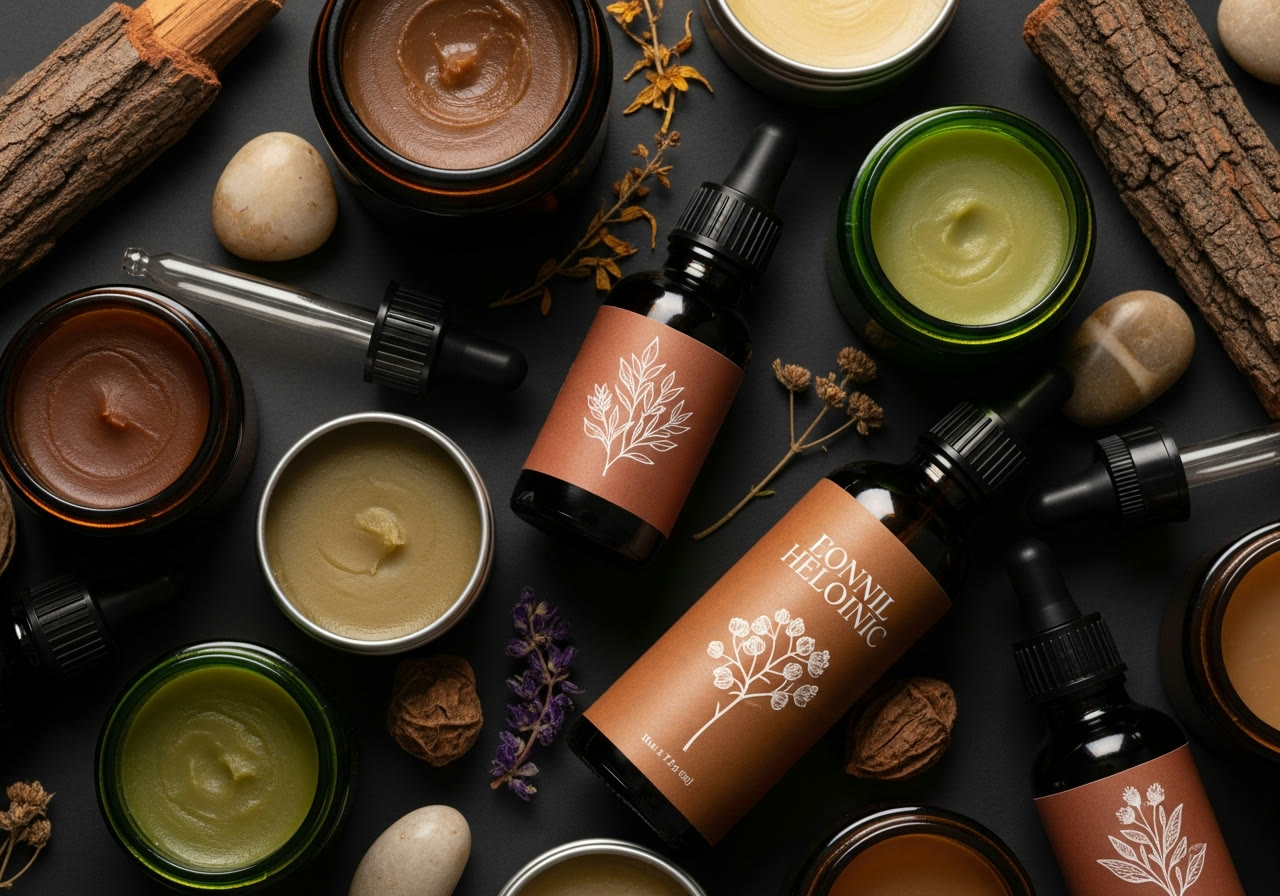
A tincture doesn’t happen quickly, and it was never supposed to.
Roots, bark, or leaf go into a jar. Alcohol or vinegar goes on top. Then the jar goes somewhere dark and gets left alone — shaken every so often, checked on, but mostly just waited for. Four weeks. Sometimes six. There’s no shortcut that doesn’t also shortchange the medicine.
Why We Still Do It This Way
We could stock faster-to-produce alternatives. Plenty of stores do. But the slowness is doing something: it’s pulling the plant’s compounds into the liquid gradually, fully, the way it’s been done for generations before extraction equipment existed. Rushing it isn’t really the same process — it’s a different, lesser one wearing the same name.
What It Teaches
There’s a lesson in a tincture jar sitting quietly on a shelf for a month: not everything worth having is available on demand. That’s not really a marketing point — it’s just true, and it’s part of why our regulars keep coming back to the bottled tinctures instead of the instant versions.
From Our Shelves to Yours
Every tincture we carry passed through that same waiting period before it ever reached the counter. When you pick one up, you’re not just getting the plant — you’re getting the time somebody gave it.
Curious which tinctures we currently carry? Visit the full store or visit us at 1396 Fulton St to ask in person — we love talking about this stuff.